Purchases made through links on this page may earn this website a small commission at no extra cost to the reader. Click here for more information.
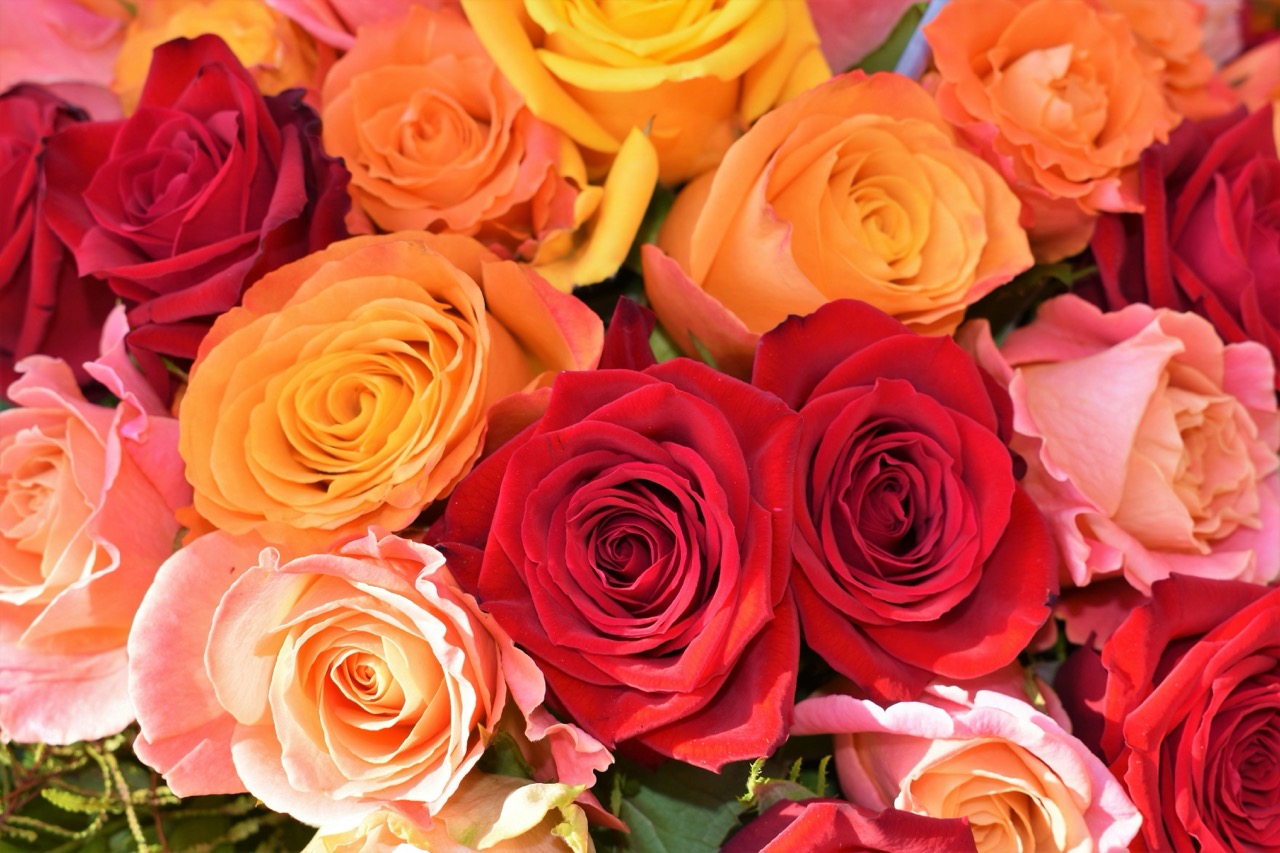
There’s a small piece of advice that keeps circulating in relationship circles, and it’s simple enough to sound almost too obvious: buy your partner flowers, not because you did something wrong, not because it’s an anniversary, but just because.
It turns out that small gesture carries a lot more weight than its price tag suggests, for reasons that go both ways between men and women.
The Apology Problem
For a lot of women, flowers have quietly become associated with damage control. They show up after an argument, after someone forgot something important, or as a stand-in for an actual apology. When that’s the pattern, a bouquet stops feeling romantic and starts feeling like a red flag. One person put it simply: every woman she knows treats flowers as a “what did he do?” gift rather than a genuine one.
That association is exactly what makes unprompted flowers land so differently. When there’s no occasion attached, the message changes completely. It’s not “I’m sorry,” it’s “I was thinking about you for no reason at all,” which is a much harder thing to fake and a much nicer thing to receive.
Men Want Them Too, More Than You’d Think
The more surprising half of this advice is how often it applies in reverse. Several people pointed out that many men go their entire lives without ever being given flowers, sometimes joking that the first bouquet a man receives is the one at his funeral. That scarcity seems to be exactly why it lands so well when it happens. One person described getting flowers delivered to work for a birthday and being thrilled by it. Another said her fiance’s reaction the first time she surprised him with flowers was priceless.
Of course, this isn’t universal. A handful of men said they’d find it patronizing or simply wouldn’t want it, and at least one said a public delivery to his workplace left him embarrassed rather than touched. The split seems to come down less to gender and more to the individual person, which leads to the actual rule that matters more than the gift itself.
Know Your Audience
The single most repeated piece of pushback in any conversation about flowers is this: not everyone wants them. Some people are allergic. Some find cut flowers wasteful, since they’re going to wilt and die within a week regardless of how nice they look. Others would simply rather have a snack, a coffee run, or a meal cooked for them after a hard day.
A houseplant or a succulent comes up constantly as the longer-lasting alternative, since it doesn’t just bring momentary beauty, it sticks around and can even be propagated. Orchids get a specific shoutout for the same reason: they bloom for weeks and can flower again later if you keep caring for them, which suits people who like the look of fresh flowers but don’t want something that’s basically destined to die on the counter.
The underlying point isn’t really about flowers at all. It’s about paying attention to what the specific person in front of you actually likes, rather than defaulting to whatever’s considered traditionally romantic. Buying chocolate, a steak dinner, or random little treats can carry exactly the same emotional weight as a bouquet, as long as it’s something the recipient genuinely wants.
The Real Gesture Is the Lack of a Reason
Strip away the debate over flowers specifically, and what’s actually being recommended is a habit: surprising someone with something thoughtful when there’s no occasion forcing your hand. Several long-married couples mentioned doing this regularly, sometimes from the discount rack at a grocery store, with the price mattering far less than the timing. Getting something small on a random Tuesday says, unmistakably, that you were thinking of them without needing a calendar to remind you.
There’s also a practical layer worth remembering if you do go the flower route: dropping off a bouquet and leaving someone to trim stems, find a vase, and arrange everything themselves adds a chore to what’s supposed to be a treat. Taking the extra few minutes to set them up yourself turns the gesture into something with zero strings attached.
The Bottom Line
Flowers aren’t really the point. The point is breaking the pattern where thoughtful gestures only show up around obligation, whether that’s an apology, a birthday, or a recognized holiday. Whether that gesture is a bouquet, a houseplant, a favorite snack, or a packed lunch with a note tucked inside depends entirely on the person you’re with. Pay attention to what they actually like, and the “no reason at all” part will do the rest of the work.
