So You Want to Become a Florist: Where to Actually Start
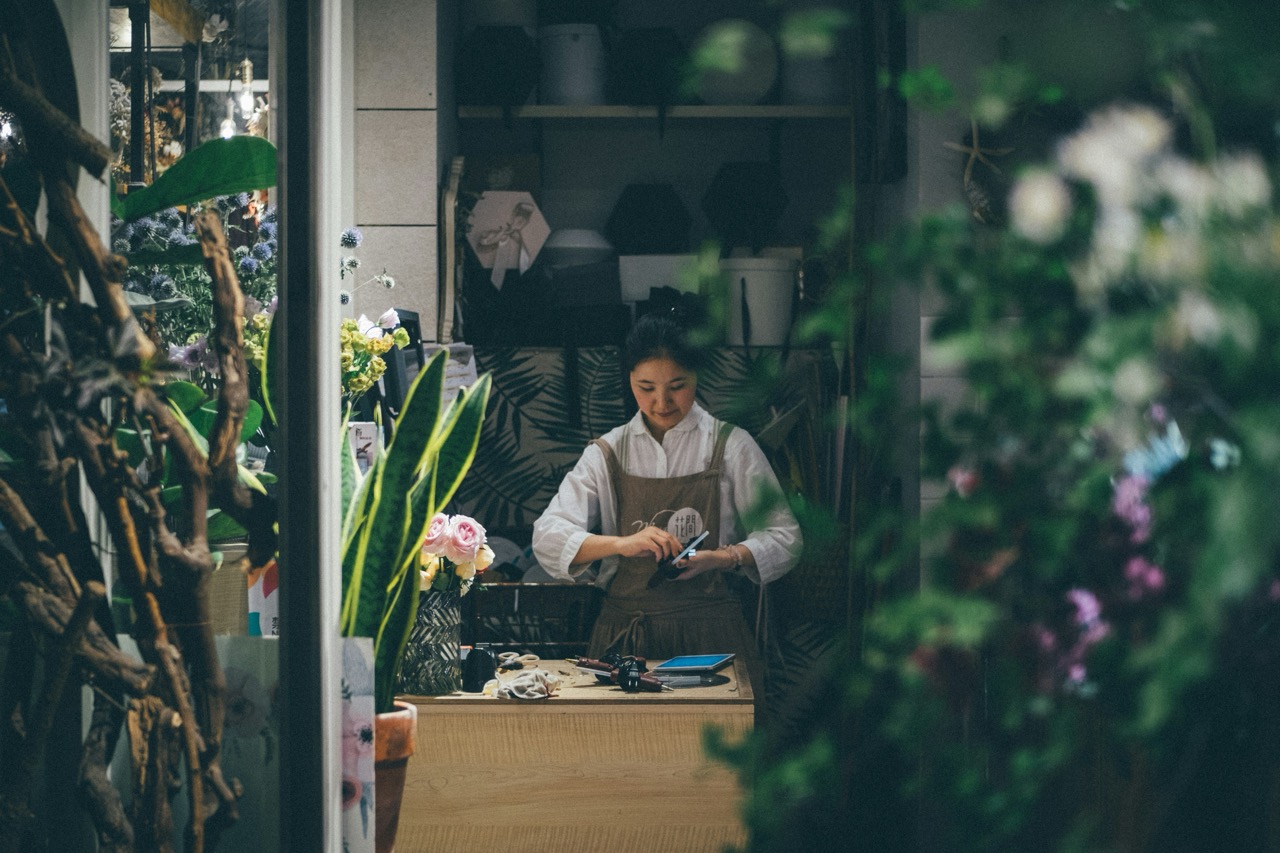
Floristry has a strange reputation. It looks like one of the more peaceful, beautiful jobs out there, and in a lot of ways it is, but it's also physical, detail heavy work that pays modestly compared to the skill it demands. If you're drawn to it anyway, the good news is that the path in doesn't require an expensive degree or a perfect resume. It mostly requires getting your hands on actual flowers as soon as possible.
Here's what people who've actually made the jump tend to recommend.
Get a Job at a Flower Shop, Even an Entry Level One
The advice that comes up again and again is the simplest: get hired somewhere that handles flowers, even if your first role has nothing to do with design. Customer sales, front counter work, deliveries, cooler maintenance, it doesn't matter. What matters is being inside the building.
Once you're in, you can let your employer know you're interested in learning the design side. Florists are often willing to teach motivated staff informally, since training someone already on the team costs them less than hiring a designer from scratch. The tradeoff is that you'll likely spend a good chunk of time on less glamorous tasks (stripping thorns, processing stems, cleaning buckets) before anyone hands you a pair of shears and a wedding order. That's normal, and it's also where a lot of the real, practical knowledge gets absorbed.
Decide Which Side of the Industry Pulls You
Floristry roughly splits into two overlapping tracks, and it's worth thinking about which one appeals to you more as you look for your first job:
- Retail/shop florists, who handle daily walk-in orders, everyday bouquets, sympathy and celebration arrangements, and the steady rhythm of a storefront
- Wedding and event florists, who work on a project basis with bigger installations, color palettes, and timelines built around a single date
Some florists do both, but many shops lean one direction. If you already know you're drawn to large scale event design versus daily counter work, it's worth seeking out a shop or studio that matches, since the day to day experience (and the skills you'll build first) looks pretty different between the two.
Take Classes, But Choose Them Based on Your Style
Formal education isn't required to become a florist, but structured classes can speed up the learning curve considerably. The right kind of class depends on what aesthetic you're chasing:
- For traditional floral design fundamentals (mechanics, structure, classic arrangement styles) a floral design program through a school or community college is the more standard route.
- For a more contemporary or artistic style, look for a working florist whose design you genuinely admire and see if they offer mentorship sessions, workshops, or online courses. A lot of independent designers teach in this format now, and you get the benefit of learning a specific point of view rather than a generic curriculum.
YouTube has also become a legitimate resource here. Florists who document their process and growth, including some who started in one country and built a following or business in another, can give you a realistic look at what the day to day work and career path actually look like before you commit any money to classes.
Consider the Farmer-Florist Path
One option that doesn't get talked about as much: growing your own flowers rather than only sourcing from wholesalers. People who've made this leap describe it as a genuine game changer, since it gives you control over what varieties you're working with, what's available seasonally, and your cost basis on materials. It's a bigger commitment up front (land, time, growing knowledge) but it's a real and increasingly popular way into the industry, especially for people who like the agricultural side as much as the design side.
Look for a Community, Not Just a Mentor
Floristry communities, whether online forums, local florist meetups, or industry groups, tend to be generous with advice for people just starting out. Searching past discussions on "career" or "seeking advice" type threads in florist focused spaces will usually turn up far more detail than any single person can give you in one conversation, including specific course recommendations, shop hiring tips, and honest discussion of pay and hours.
YouTube has also become a legitimate resource here. Florists who document their process and growth, including some who started in one country and built a following or business in another, can give you a realistic look at what the day to day work and career path actually look like before you commit any money to classes. Little Bird Bloom is a good example: the channel follows a florist who started out in Australia and has since built her business in Canada, documenting the design work, the business side, and the less polished moments along the way.
The Honest Bottom Line
The pay in floristry is often modest relative to the manual skill and aesthetic judgment it requires, and most people who get into it say so plainly. But the path in is genuinely accessible: get a foot in the door at a shop, ask to learn design once you're there, supplement with classes that match your style, and stay connected to other florists as you go. None of it requires a perfect plan before you start, just a willingness to begin with the less glamorous tasks and build from there.
Prefer a local florist?
Our directory lists 38,046 flower shops across every US state with each shop's address, phone, and website, so you can call a real florist directly.
Find a florist near you