The Language of Flowers: What Every Bouquet Is Really Saying
Flowers have been part of how people express love, sympathy, gratitude, and celebration for centuries. Long before greeting cards existed, a bouquet did the talking. Even today, when you walk into a florist's shop or browse an online flower delivery site, you're choosing from a vocabulary that goes back generations, even if most of us never learned to read it consciously.
Why We Still Reach for Flowers
In a world of texts, emojis, and instant messages, flowers remain one of the few gestures that require effort, timing, and thought. Sending flowers means someone had to choose a color, a shape, a scent. That intentionality is exactly why flowers still matter for birthdays, anniversaries, funerals, hospital visits, and apologies. A bouquet says "I was thinking about you" in a way that's hard to fake.
Roses: More Than Just Romance
Roses get all the attention, and for good reason. But the color you choose changes the entire message:
Red roses are the classic symbol of romantic love and passion. White roses lean toward purity, new beginnings, and remembrance, which is why you'll often see them at weddings and funerals alike. Yellow roses traditionally represent friendship and joy rather than romance, making them a safe choice for a coworker or a friend going through a hard time. Pink roses sit somewhere in between, often used for admiration, gratitude, or gentle affection.
If you've ever wondered why a bouquet of yellow roses felt different from a dozen red ones, now you know. The color is doing real communicative work.
Beyond Roses: A Quick Guide to Common Flowers
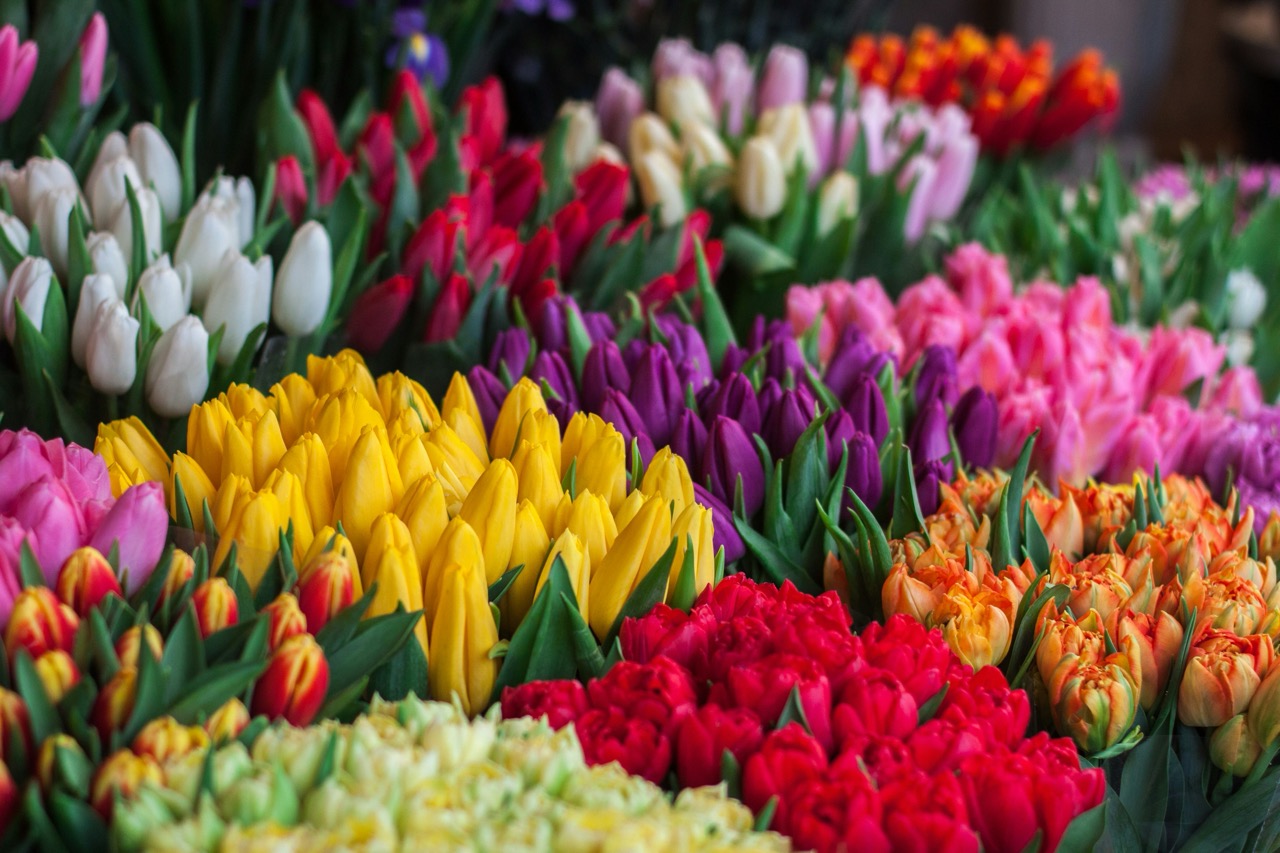
Tulips signal perfect love and are often associated with spring and fresh starts. They're a popular choice for new relationships or springtime celebrations.
Lilies carry a dual meaning. White lilies are common at funerals as a symbol of the restored innocence of the soul, while colorful lilies like the stargazer suggest ambition and ongoing ambition or ambition.
Sunflowers represent loyalty, adoration, and warmth. Their size and brightness make them a favorite for cheering someone up.
Carnations are often underrated. Pink carnations are tied to a mother's love, which is why they show up so often around Mother's Day, while red carnations express deep love and affection similar to roses, usually at a lower price point.
Orchids suggest luxury, strength, and beauty. They've become a popular choice for more sophisticated or modern arrangements, especially in corporate gifting.
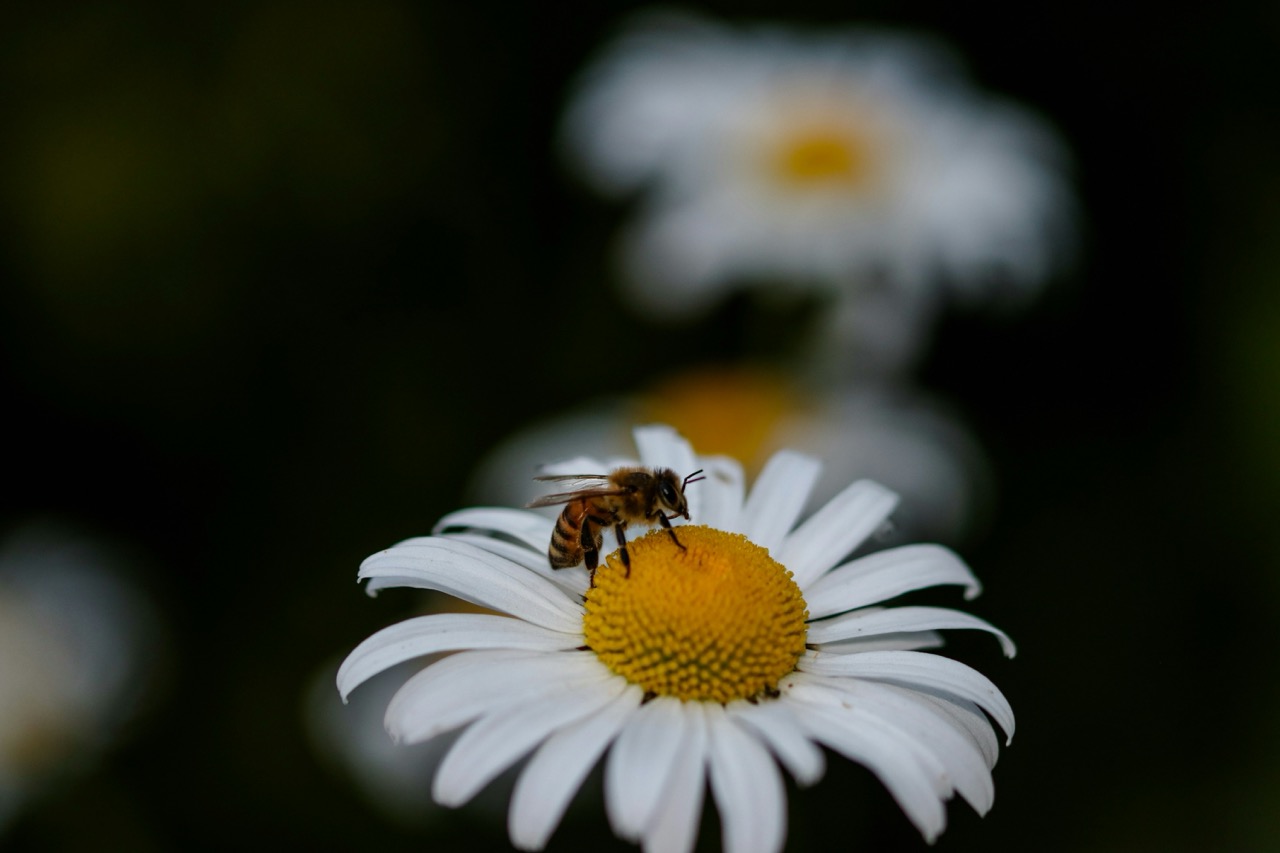
Daisies keep things light and innocent, often associated with new beginnings or simple, cheerful affection.
The Occasion Should Drive the Choice
One of the most common mistakes people make when ordering flowers is picking based on personal preference rather than the occasion. A few guidelines worth keeping in mind:
For sympathy and funerals, white and pastel arrangements tend to feel more appropriate than bold, bright colors. Lilies, white roses, and chrysanthemums are traditional choices.
For romantic occasions, red and pink tones dominate for good reason, but don't underestimate a mixed bouquet that includes tulips or peonies for something a little less expected.
For congratulations or new beginnings, bright and cheerful colors work best. Sunflowers, gerbera daisies, and yellow tulips all communicate genuine celebration without feeling overly formal.
For "just because" or apology bouquets, softer colors like pink, lavender, or peach tend to land better than stark red, which can feel like it's trying too hard.
How Long Should Cut Flowers Actually Last?
A fresh, well cared for bouquet should last anywhere from five to twelve days depending on the flower type. Roses and carnations tend to hold up longer, while tulips and ranunculus are more delicate and may start fading within a week.
A few small habits make a real difference in longevity. Trim the stems at an angle before placing them in water, since a fresh cut helps the flower absorb water more efficiently. Change the water every two to three days and rinse the vase to prevent bacteria buildup. Keep the arrangement away from direct sunlight and away from fruit bowls, since ripening fruit releases ethylene gas that speeds up wilting. Most flower delivery services include a small packet of flower food, and it genuinely helps, so don't skip it.
Ordering Flowers Online: What Actually Matters
If you're ordering flowers for delivery rather than walking into a local shop, a few things separate a good experience from a disappointing one.
Same day delivery cutoff times matter more than people expect. Many services require orders placed before a certain time, often early afternoon, to guarantee same day delivery. If you're ordering for an event later that day, check this first.
Photos on the website don't always match what arrives. Seasonal availability and regional sourcing mean substitutions happen more often than companies advertise. Reading recent reviews, especially ones with photos from actual customers, gives a more honest picture than the marketing images.
Local florists fulfilled through a national network often produce better results than flowers shipped long distance in a box. When possible, choosing a delivery service that partners with local florists in the recipient's area tends to lead to fresher arrangements.
A Gesture That Still Means Something
There's a reason flowers haven't been replaced by anything else, despite decades of new ways to communicate. They're temporary, which is part of the point. A bouquet doesn't last forever, and that's exactly why receiving one feels special. It's a small, deliberate effort in a world full of low effort gestures, and that's unlikely to change anytime soon.
Whether you're sending flowers for a celebration, an apology, or simply because someone crossed your mind, understanding what different flowers and colors represent can turn a nice gesture into a genuinely thoughtful one.
Prefer a local florist?
Our directory lists 38,046 flower shops across every US state with each shop's address, phone, and website, so you can call a real florist directly.
Find a florist near you